
Phase 1
Pain
Calm the pain down.
Hands-on therapy, joint mobilization, and cold or heat ease post-surgery pain and swelling from the start of your plan.
What We Treat
The surgery took out the worn joint. Rehab gives you back a knee you can trust. It starts with a cause-first evaluation, whether your surgery was last month or years ago.
Sound Familiar?
Two or more? Keep reading.
Why It Happens
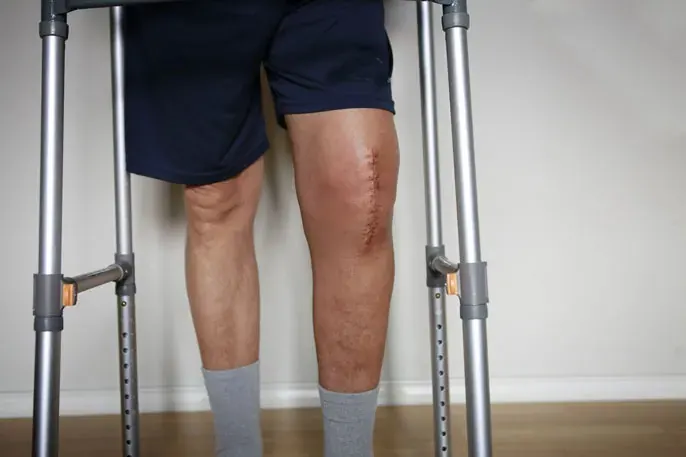
Knee replacement surgery takes out the worn joint. It doesn’t rebuild the quadriceps, hamstrings, and calves that keep it stable. Without proper rehab, scar tissue, stiffness, and muscle weakness can hang on long after the incision heals.
That’s why your plan targets more than the knee itself. Motion restoration gets your range back. Strength training for the surrounding muscles reduces strain on the joint. And retraining walking, stairs, and standing, plus guidance on how to move, protects your new knee for the long haul.
The Honest Truth
Nobody regrets starting too early. Starting therapy sooner lowers the risk of long-term complications.
How We Fix It
Every plan has an endpoint. Here’s what the four phases look like after a knee replacement.
Phase 1
Pain
Hands-on therapy, joint mobilization, and cold or heat ease post-surgery pain and swelling from the start of your plan.
Phase 2
Prime
Motion restoration techniques help you regain flexibility and range of motion, so the knee bends and straightens again.
Phase 3
Perform
Strength training for the quadriceps, hamstrings, and calves improves joint stability, and walking gets retrained step by step.
Phase 4
Prevent
Stairs, standing, and daily tasks get tested before you’re cleared for work, recreation, or fitness: that’s the endpoint, not just another appointment.
I loved the friendly individual care provided by each member of Ascend Physical Therapy. Their tailored exercise plan brought strength and flexibility back to my injured knee. They patiently answered my questions and encouraged me through the challenging healing process. I highly recommend them!
Phyllis S. · Knee rehab
Questions, Answered
Recovery time varies for each patient, based on your health, your surgery, and your progress. Most people use a walker or crutches at first, and more strenuous activities like sports take longer to return to, guided by your surgeon. Your plan moves through all four phases, Pain, Prime, Perform, and Prevent, at the pace your body allows.
Your physical therapist builds a personalized plan to improve strength, flexibility, and range of motion. Expect hands-on therapy to manage pain and swelling, targeted exercise for the muscles around the knee, and practice with everyday movements like walking, stairs, and standing up.
Yes. Some people need therapy months or years later to maintain mobility and strength, or to work through stiffness, instability, or lingering pain. Whether your surgery was recent or years ago, we build the plan around where your knee is today.
Book Your Visit
Request a time and a real person from our team calls you back during business hours. No phone tree. No ‘someone will reach out.’ Just a plan.
5.0 · 100+ Google reviews
A real person calls you back
Step 1 of 5
That’s the hard part done. We’ll call during business hours to lock in your time.
Visit Us